The "white gold" of Salzburg
Salt has been an essential part of human life for thousands of years. It has allowed generations to survive by enabling the preservation of food.
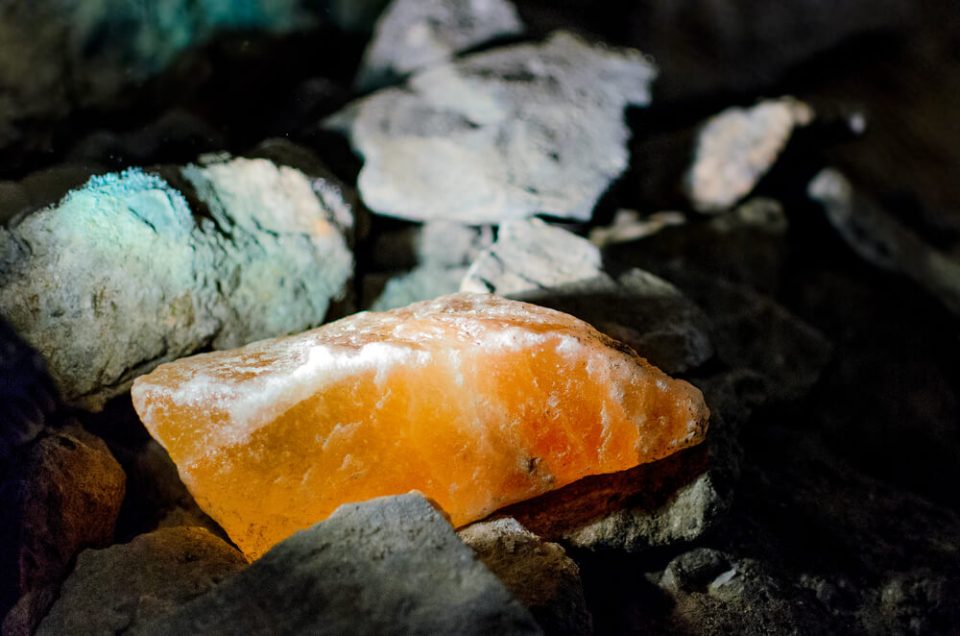
One region whose history is inextricably linked to salt is Salzburg and the Salzkammergut. The name of the city itself - Salzburg - is a living reminder of the immense importance that the "white gold" has played in the history and development of the city and the surrounding region.

The beginnings of salt mining
Salt mining in the Salzburg region and the Salzkammergut can be traced back to the Bronze Age, around 1500 BC. The first mines were founded in the area around the present-day town of Hallein on the Dürrnberg. The Celts, who settled the region around 400 BC, developed salt mining and made it an important branch of the economy.
The salt roads
The extraction and sale of salt brought enormous prosperity to the region. So-called "salt roads" were created to facilitate the transport and trade of salt. These trade routes connected Salzburg and the Salzkammergut with many parts of Europe and promoted the exchange of goods and ideas.
Salt in the time of the archbishops
During the time of the archbishops of Salzburg, from the 13th to the 19th century, the salt business became the cornerstone of the regional economy. The archbishops controlled the salt trade and used the resulting wealth to transform the city into the baroque splendour that so many visitors admire today.
The salt mine in Hallstatt and on the Dürrnberg
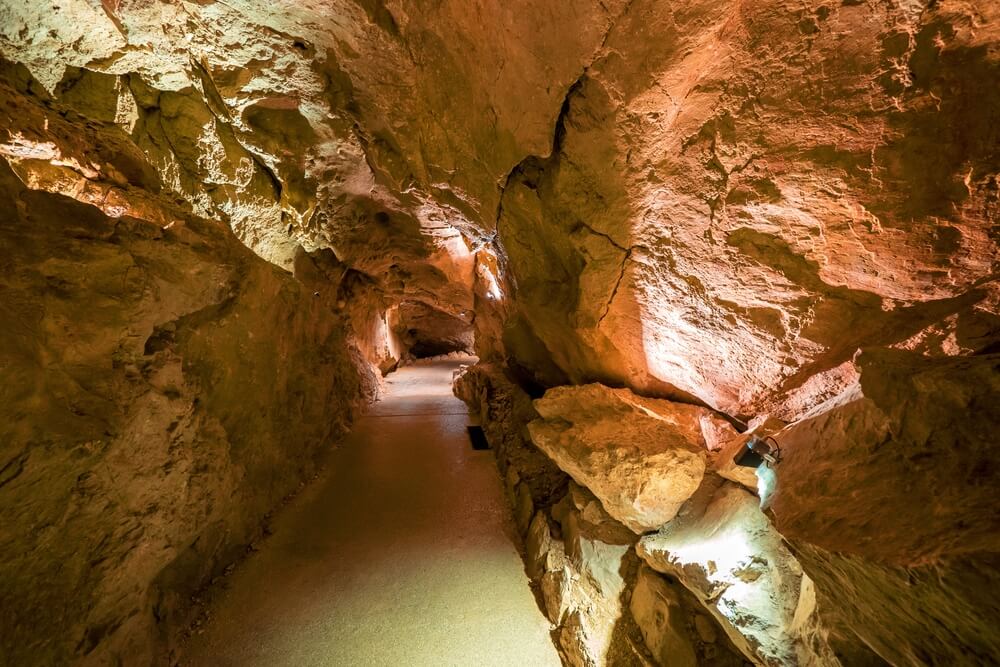
One of the most famous salt mines in the region is the Dürrnberg salt mine, near Hallein, just a short trip from Salzburg. Here visitors can travel 800 metres underground and explore the history of salt mining in the region. In Hallstatt, a town in the heart of the Salzkammergut, you can visit the oldest known salt mine in the world, whose origins date back to the Bronze Age.
Bad Ischl and the Salzkammergut
The Salzkammergut and Bad Ischl in particular also have a rich salt history. The brine baths in Bad Ischl were once a royal pleasure and are now a tourist attraction.
Salt today
Although salt does not have the same economic importance nowadays as it once did, it remains a significant part of the cultural heritage of Salzburg and the Salzkammergut. Salt is still mined in the local mines and used in regional cuisine. Salt is also used in the local spas and wellness centres, and many of the sights, including the magnificent Hohensalzburg Fortress, were built with the riches derived from the salt trade.